October 09, 2026



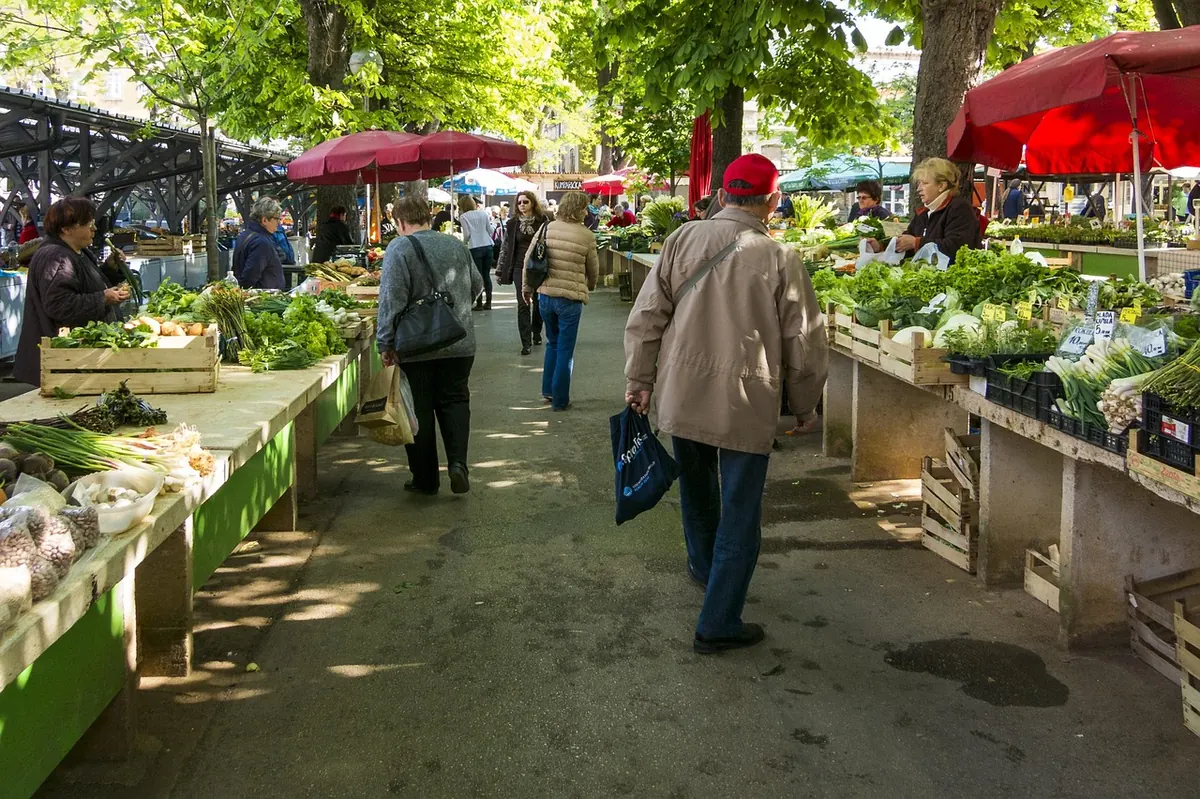
Brook Farmers' Market has a talent for turning a quick errand into a whole morning. You go in for a loaf of bread and come out with carrots still wearing their soil, a wedge of cheese you cannot quite pronounce, and firm opinions about which stall does the best bacon roll.
If it is your first visit, the place can feel like a lot at once. Where do you start? Is it worth turning up at opening time? And where exactly are you supposed to park? Here is what to know before you set off.
Most farmers' markets follow a rhythm, and Brook's is no exception. The first hour belongs to people who know what they want. Bread, pastries and anything made in small batches go early, so if one particular stall is the reason for your trip, arriving soon after opening is the difference between buying and being told to come back next week.
The first twenty minutes can also be a scrum of traders finishing their setups while early birds circle. If you would rather browse than queue, aim for the middle of the market's hours, once the initial rush has thinned but before the lunchtime crowd arrives.
The last half hour is a mixed bag. Some traders knock a little off what is left rather than pack it away, which suits anyone happy to cook around whatever they find. The selection will be picked over, though, and the stall you had your heart set on may already be gone.
One caveat: market hours shift. They can change with the season, around bank holidays and in poor weather, so check the organiser's latest notice before making a special journey. It is also worth checking whether the market runs weekly or monthly, because plenty only run monthly.
Layouts vary, but a market of this size usually covers most of the weekly shop and a fair bit you did not plan on. A rough guide:
Not every stall turns up every week. Most markets rotate their traders, and a few disappear when their crop does, which is part of the appeal.
Walk the whole market once before you buy anything. It takes ten minutes and it stops you spending your budget at the second stall, then finding the thing you actually wanted at the last one. Note what is where, then go back.
Take your own bags. One sturdy bag with a flat base, plus a couple of smaller ones for anything messy, will do more for your morning than any other piece of preparation.
Bring some cash even if you plan to pay by card. Most traders now take both, but signal can be patchy on a busy street and a few still prefer notes and coins. Small denominations help.
Talk to people. Traders would rather sell you the right thing than the wrong thing, and they will tell you how to cook what you are holding. Ask what is good today, how much you get for your money, and whether something freezes well.
Set yourself a rough limit before you arrive. Markets are enjoyable, and it is easy to come home with a fortnight's worth of cheese and no plan for dinner. Prices move with the season and the stall, so ask rather than assume.
Parking is the part first-timers get wrong, usually by leaving it to the last minute and circling. A few rules of thumb:
If you have mobility needs, look up accessible bays and dropped kerbs in advance, and expect some sections to sit on cobbles, gravel or uneven paving.
Toilets are usually limited to nearby public facilities or cafés, so plan accordingly, especially with young children in tow.
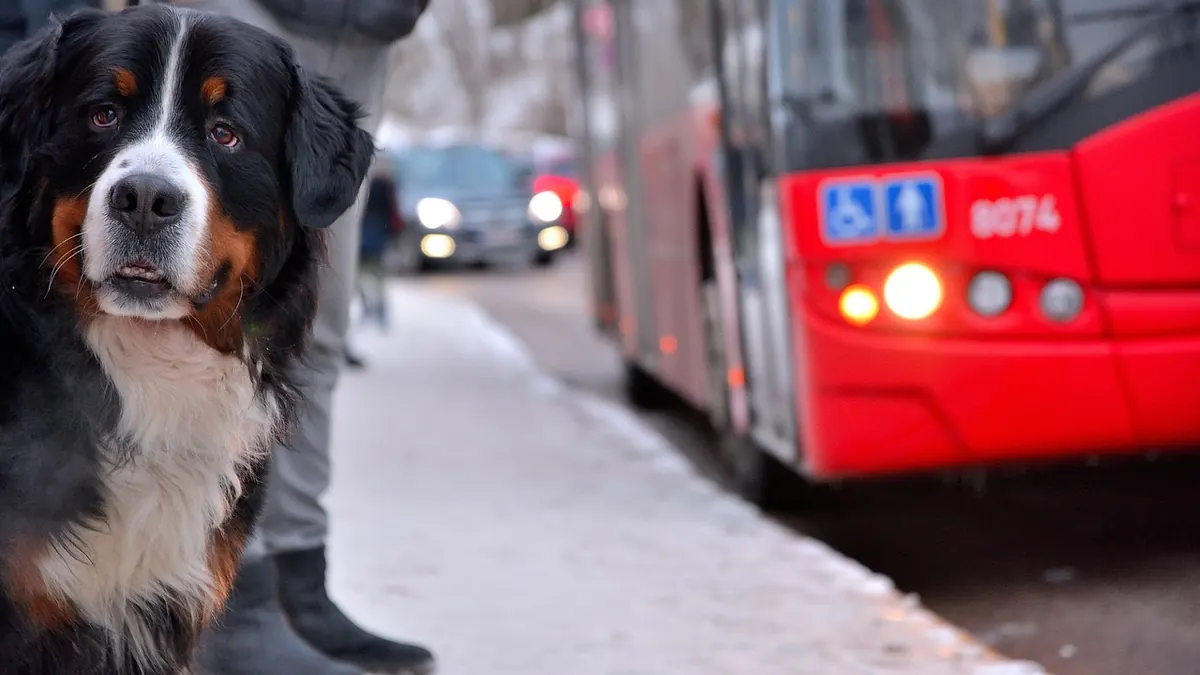
Dogs are often welcome in the open areas, but not beside food stalls and never somewhere they will trip up a queue. A short lead and some patience will see you through.
The market runs outdoors in all weather. Waterproof shoes beat an umbrella, because you will want both hands free.
Finally, think about chilled and fragile shopping. Cheese, meat, fish and dairy last better in a cool bag, and a bag of pastries crushed under a tray of plants is a small tragedy.
If you remember only one thing, make it this: arrive with time to spare, walk the whole market before you buy, and treat the trip as a morning out rather than a raid.
A simple order of operations. Get there early if you are driving or chasing bread. Grab coffee first so you are not queuing twice. Do your lap. Buy fresh produce and chilled goods near the end, so they spend less time out of the cold. Ask your questions while you pay.
Then leave the car where it is, wander back through the stalls and pick up the one thing you did not know you wanted. That is usually the best bit.
Photo: pixifant / Pixabay
Your weekly source for Brook news.
Copyright © 2026 Brook Weekly. All rights reserved. Brook Weekly.