
October 09, 2026




A neighbourhood watch is not a patrol. It isn't a vigilante squad, a residents' committee with a clipboard, or an excuse to mount cameras on every gable end. At its best it is something far simpler: a handful of people on the same street who know each other's names, notice when something looks out of place, and know who to ring when it does. On a road like Brook Street, where half the front doors are never opened at the same time twice, that is worth more than any gadget.
Getting one started takes a few evenings and a bit of patience. Here is how to go from a chat over the fence to a group with a coordinator, a contact at the police and a reason to keep going.
Before you book a hall or design a logo, talk to people. Six conversations is a decent target for the first fortnight. The school gate, the bus stop, the corner shop, the spot on the pavement where everyone pauses to let the dog sniff the lamp post — that is where a watch actually begins.
Ask two questions, then listen. What has been bothering you lately? Would you come to a short meeting about it? You will get a mix of enthusiasm, polite shrugs and one person who wants to tell you about the van that has been parked outside for three weeks. All of it is useful.
Keep a note of who said yes and how they would prefer to be contacted: a phone number, an email, a note through the door. Don't over-promise, and don't knock a third time if someone isn't interested. A watch of eight engaged households beats a directory of forty names who never turn up.
Pick a venue that is free, warm and five minutes' walk from the street. A front room, the back room of a pub, a church hall. Ask about cost before you commit, and if a neighbour offers their kitchen, take them up on it.
Weekday evenings work better than weekends. Start at seven, finish by eight, and put that on the flyer. Publicise it with paper through doors, a note in the shop window and a message to anyone who gave you a number. Two weeks' notice is about right.
A tight agenda keeps things from drifting:
Then put the kettle on. The informal half hour afterwards is usually where the group really forms.
Write down three or four things the group will do, and two or three it won't. Vagueness is what kills watch schemes; people drift away when nobody is sure what they signed up to.
What it isn't: a patrol, a security firm, or a group that challenges strangers. Nobody should be putting themselves in harm's way, and nobody should be filming a neighbour's visitors. If something is happening now and someone is in danger, that is a 999 call. Anything else goes to the police on 101 or through the force's online reporting form. Crimestoppers takes reports anonymously if someone would rather not give their name.
Someone has to be the coordinator: the person who keeps the list, sends the messages and answers the liaison officer's emails. A deputy shares the load and covers holidays. If the group ever handles money for flyers or signage, keep it simple — a small float, a written record, and two people who know where it went. Check with your bank or a local advice service before opening any account; a street group almost certainly doesn't need one.
On data: you will be holding names, phone numbers and perhaps email addresses. Treat that list the way you would want your own details treated. One person keeps it, it doesn't get passed around, and anyone can ask to come off it at any time. Ask your police liaison or your local Neighbourhood Watch association for the current guidance on data protection before you formalise anything. If you are unsure, take advice rather than guessing.
Your force will have a neighbourhood policing team covering Brook Street, and most have a designated contact for watch schemes — sometimes called a police liaison officer, sometimes a watch coordinator. Start with the force website or ring 101 and ask for the neighbourhood team. The front desk at the local station can point you in the right direction too.
One email is enough to begin with, and shorter is better. Say who you are and which street you are on. Say that you are setting up a watch and roughly how many households are involved. Ask whether a scheme already exists nearby that you would be better joining. Ask what they can offer — a speaker for a meeting, crime prevention advice, signage, a registration route. Give the best way to reach you and the date of your next meeting.
Officers are stretched, so a clear, bulleted message will get a better response than a long one. Don't expect an officer at every meeting. Often the most valuable thing is simply knowing who to email, and being on the list when they send out warnings about local scams or break-ins.
Most groups fade after three months because one person ends up doing everything. Spread it about. A short message once a month is plenty, and a WhatsApp group works well if it stays factual rather than becoming a running commentary. Agree in advance that if something happens on the street, the group reports it and shares the police reference number rather than speculating about who was involved.
A few habits that help: a sign at each end of the road so people know the scheme exists, an annual refresh of the contact list, a note through the door for new arrivals, and a spring review to check the group is still doing what people want.
Three steps. Talk to the three nearest households. Fix a
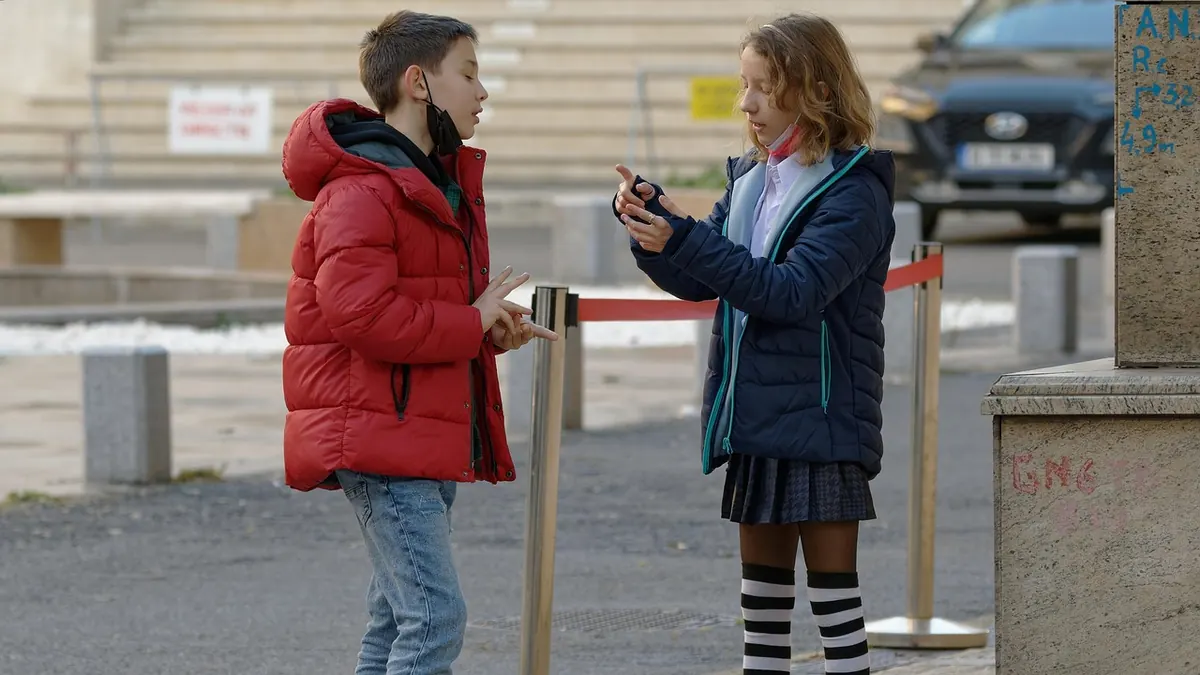
Photo: Surprising_Media / Pixabay
Your weekly source for Brook news.
Copyright © 2026 Brook Weekly. All rights reserved. Brook Weekly.